Skip to the content
The Brush & the Baya field almanac of two territories

Section 05 · The run

The salmon run, week by week

A run is not an event, it is a shape. The same river holds different fish, in different condition, under different rules, depending on which week of it you are standing in.

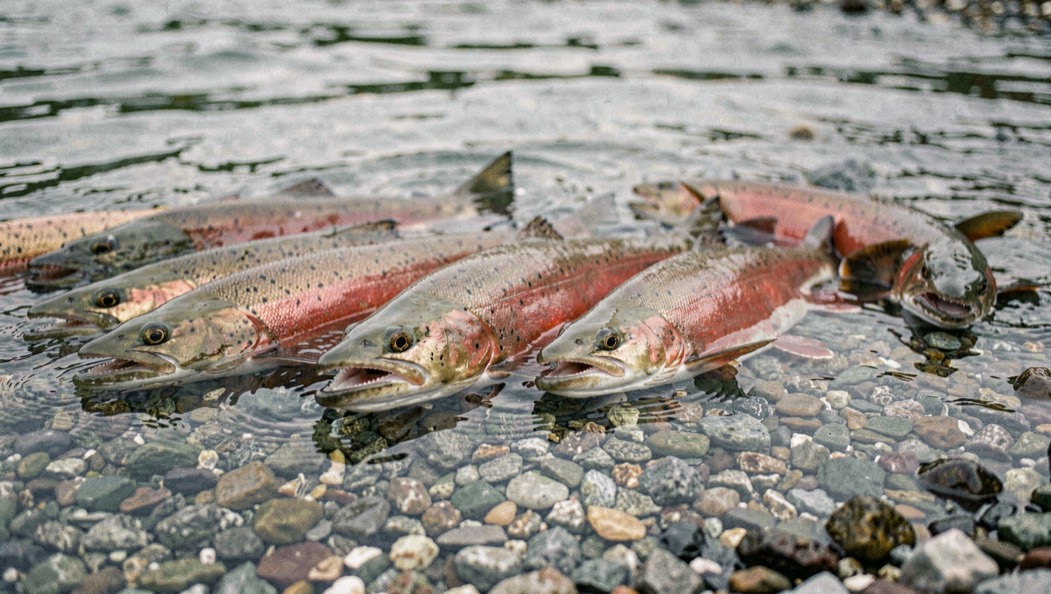
A school of spawning sockeye salmon with unspotted brick red bodies, olive green heads and hooked jaws, holding side by side in clear shallow water over grey gravel, seen from a low bank
Illustration. A scene of the kind of water this section describes; not a documented event.

People talk about the run as if it were a door opening. It is closer to a wave with a long shoulder: a first push of fish, a steep rise, a peak that lasts a matter of days rather than weeks, and a long declining tail in which the fish that remain are not the fish that came first. Three pages follow that shape, because almost every practical question about this drainage, from where fish hold to what is legal on a given day, has a different answer at each stage.

The first push

Early fish are the ones the whole season is judged on, and they are the ones about which least is known while they are happening. Forecasts exist, and forecasts are estimates made before anything has been counted. The first coming is about what the beginning of a run looks like, why the earliest fish matter out of proportion to their number, and why a slow start is not yet information.

The peak, and management by the day

At the peak the fishery stops being governed by a printed schedule and starts being governed by in season decisions taken on the current count. Openings and closings are issued while you are on the water. Peak weeks explains what those instruments are, who issues them, and why the answer to "is it open" can genuinely be different in the morning and in the evening.

The tail

Late in a run the water is usually lower and colder, the early species are done, later species are arriving, and the fish still moving have changed physically: colour, shape and condition all shift as a salmon commits to spawning. The late run is about that transformation and about reading a drainage at the end of its season rather than at its height.

No numbers here either

This section prints no count, no forecast and no escapement goal. All three are published by the Alaska Department of Fish and Game and by the Board of Fisheries, and all three are revised. What the almanac can usefully add is the shape and the machinery. How the counting itself works is set out in reading the water.
Pages in this section

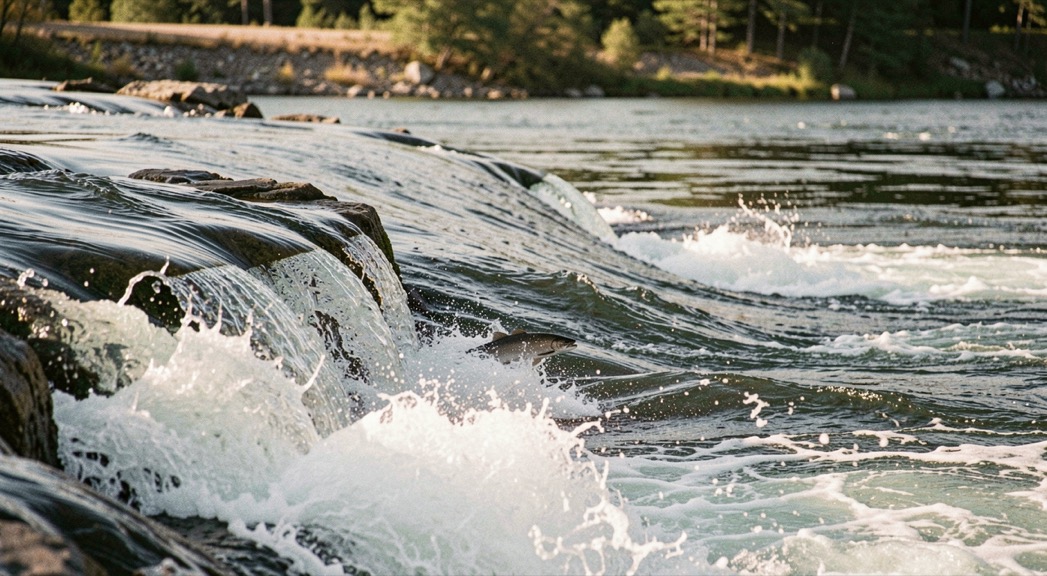
  1. First light on a fast bend of a wide northern river, spray off a rocky lip, one dark fish shape holding below the white water

    The first coming of the kings

    The first kings of the year enter the Nushagak as one long coming, mixed with sockeye and chum, under a sonar that cannot see the whole river. This is how the count is made, what an index is, and where the goals are published.

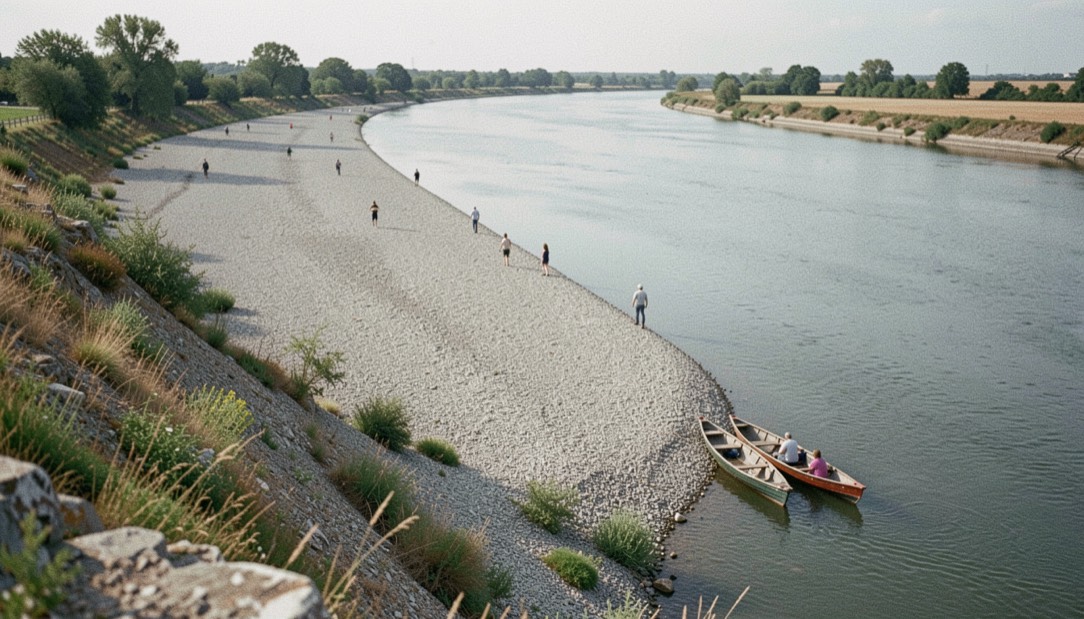
  2. Long gravel bar seen from a high bank, small figures spaced along one seam of a wide river, two drift boats tied at the downstream end

    Peak weeks and what they crowd

    How a peak week in Bristol Bay is governed: board seasons, numbered announcements, the daily run summary, and the escapement goal behind each opening. The board writes the season, the department bends it day by day, and the goal is the line the openings must respect.

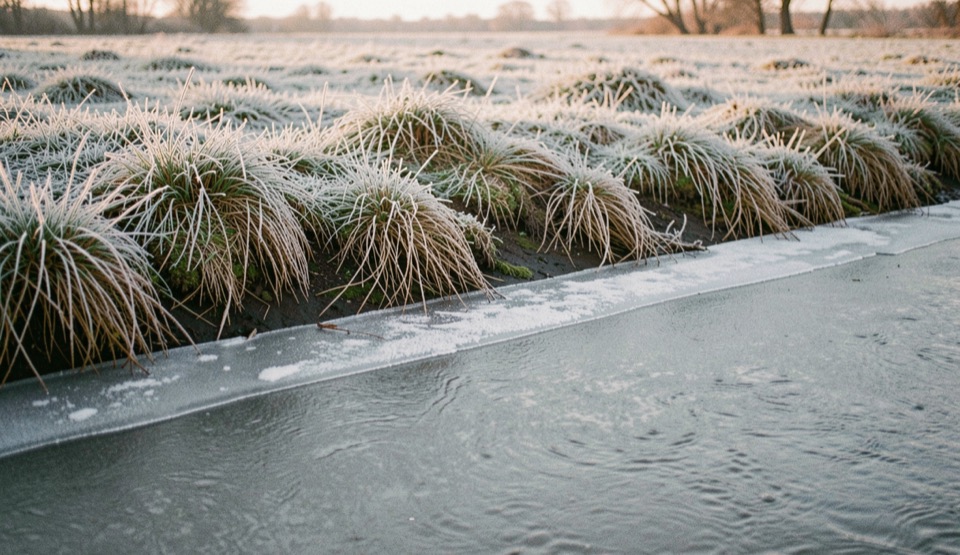
  3. Frost on the grass at the top of a river bank at dawn, the river below holding a flat grey colour under a thin glaze of ice at its edge

    The late run and the cold water

    This page follows the fish that come after the kings and the sockeye, and the documents that still speak for them. The late run is read in the species profiles and the bay’s escapement page, because the Nushagak sonar publishes no estimate for coho or pink.

The neighbouring sections read the same way: Brush Country and Nushagak & the Bay. How the almanac works is set out by The desk of The Brush & the Bay, and the documents it reads are listed on the sources page.