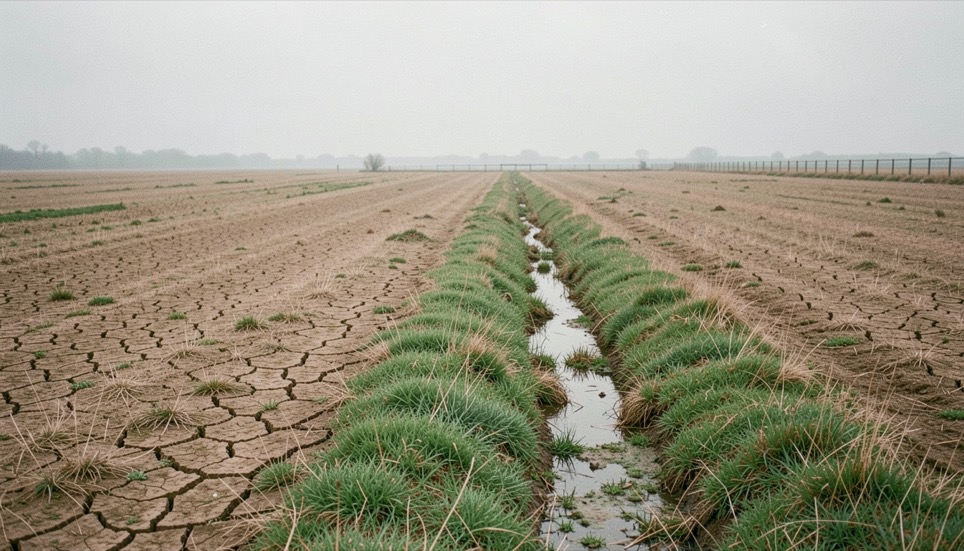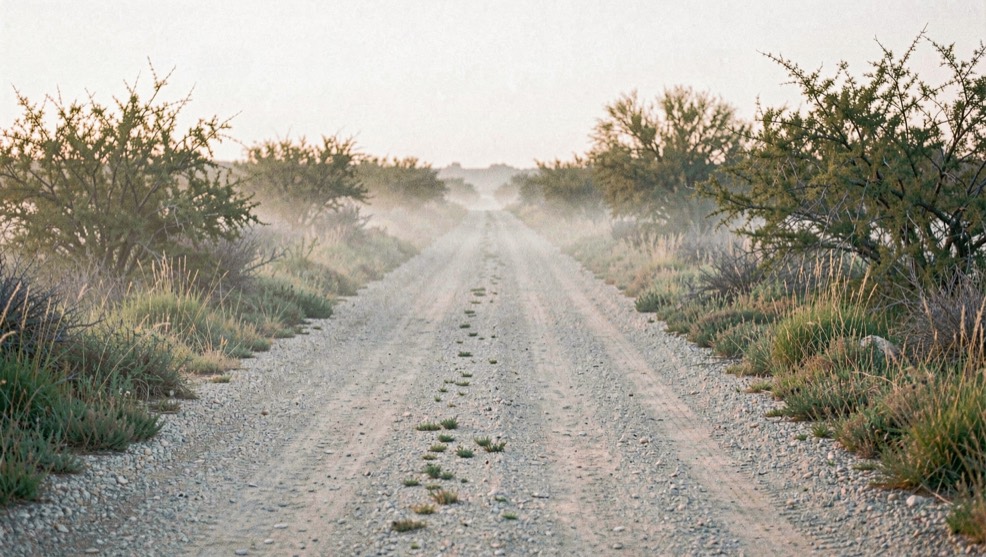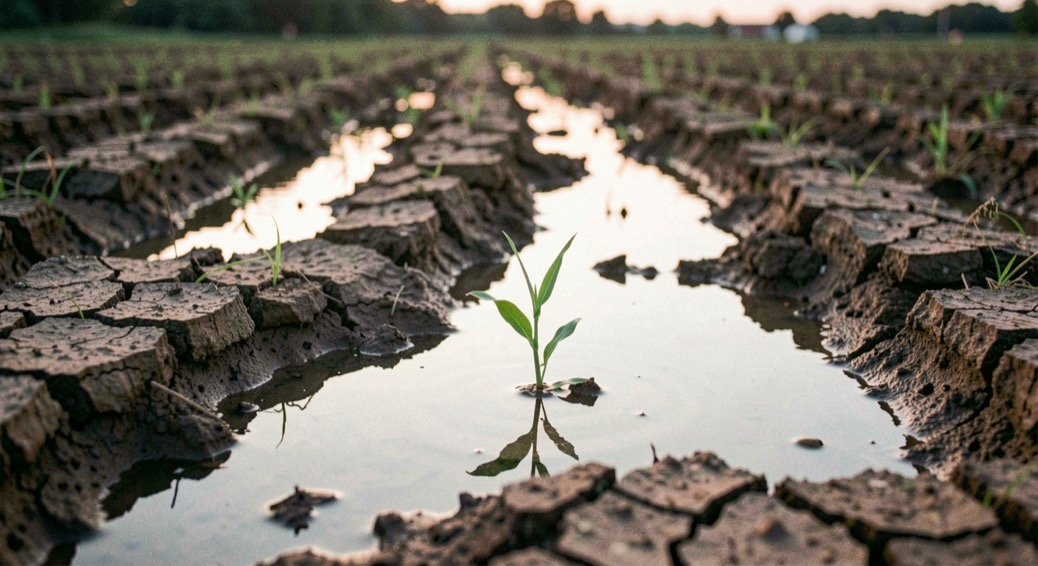
South Texas is semi arid and its rainfall is erratic rather than merely low. That single characteristic drives almost everything this section covers. A wet spring and a dry spring do not produce slightly different bird years; they produce years that barely resemble each other. Understanding why turns a bad season from bad luck into something that was visible months earlier, and it stops you from drawing conclusions about a place from one visit.
Rain is not the cause, it is the first link
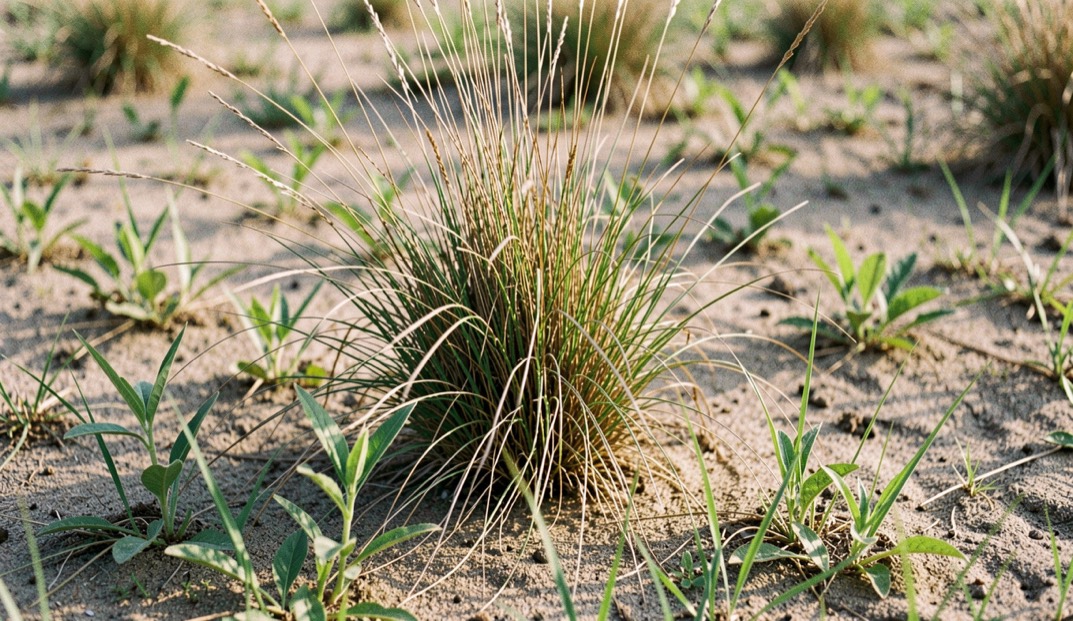
Rain does not put birds on the ground. It puts cover and seed on the ground, and cover and seed are what allow a hen to attempt a nest, attempt a second one if the first fails, and raise chicks that survive their first weeks. Herbaceous growth after rain gives overhead screening against hawks and shade against heat, which matters enormously in a country where ground temperature alone can end a brood. Nesting after rain follows that translation step by step.
Boom and bust is the normal state
Because bobwhite are short lived birds with high annual turnover, the population has almost no memory. A good year does not carry a bad one. This is why the brush country swings so violently: the birds you hunt were almost all hatched in the current cycle, so the current cycle is nearly the whole story. Boom and bust is about that mechanism and about why management that would work on a long lived species does not apply here.
What the surveys measure
Texas Parks and Wildlife runs annual roadside counts in late summer along fixed routes, and publishes what they find. A roadside count is a real measurement and it is also a narrow one: it samples a particular kind of ground, at a particular time of day, in a particular window of the year. Seed and counts is about reading such a figure honestly, which means knowing what it does not see.
Where to check the rain yourself
You do not have to take anyone's word for how wet a spring was. National Weather Service and NOAA climate records are public, they are organised by station and by county, and they go back further than any hunting memory. That is a better basis than a forum thread, and it is the kind of primary source this almanac sends you to instead of summarising. The full list is on the sources page.